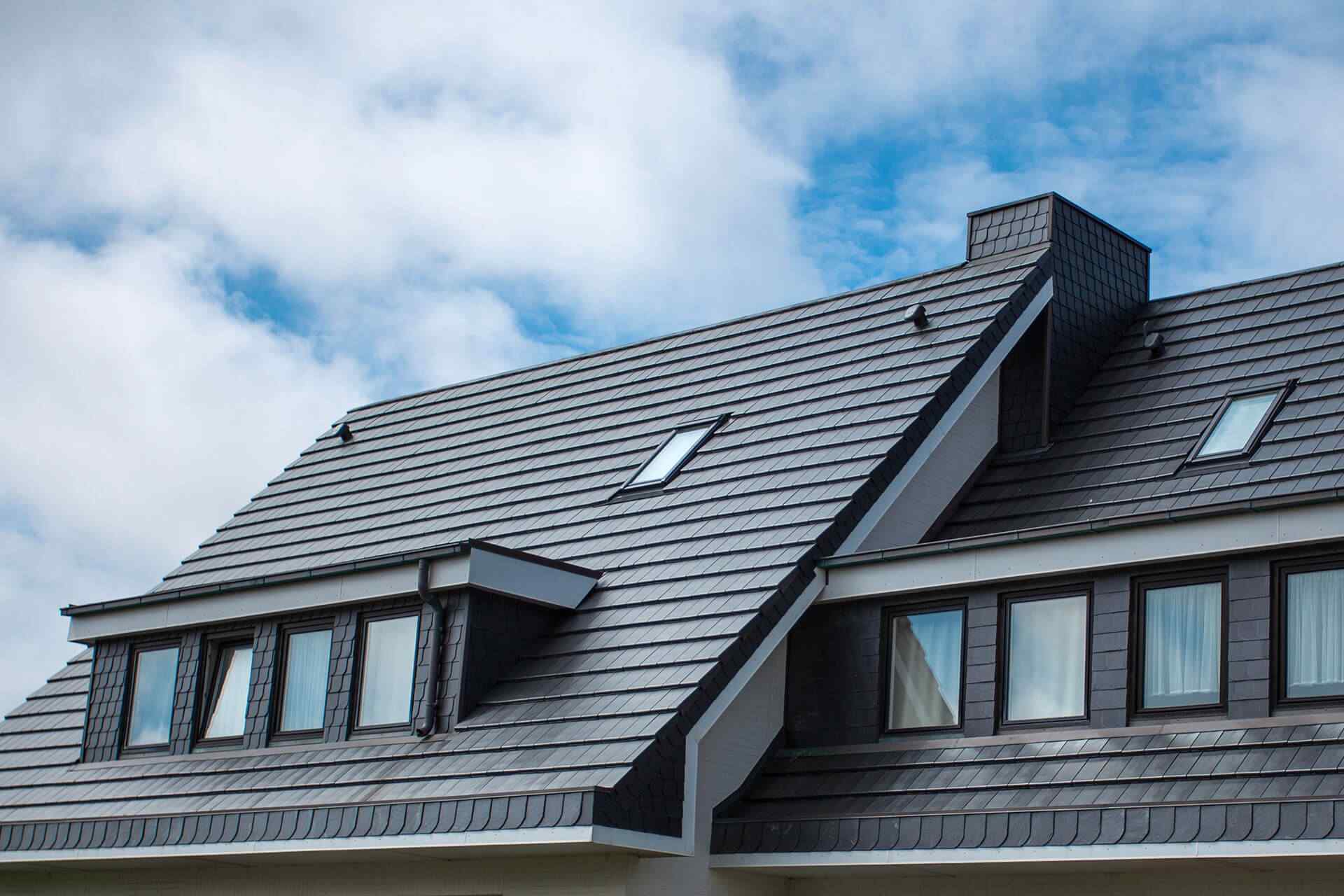
Your house bears great risks during wintry conditions since heavy snow accumulates with ice formation combined with freezing temperatures. The proper care of your roof in cold seasons provides defence against severe damage to your structures while preventing leak formation. Ur proactive approach can help you avoid the costs of expensive roof restoration in Broadmeadows. This guide demonstrates useful steps to safeguard their roofs throughout cold winter months and maintain their house’s safety.
Understanding Winter Roof Damage Risks
Protect your roof by implementing preventive solutions after you detect which parts of winter weather create the most damage first.
a) Ice Dams
Trapped water sinks beneath tiles, creating leaks while causing structural damage to the roof system.
b) Heavy Snow Load
Snow buildup adds substantial weight to roofing structures, which results in potential roof sagging or total failure when roof maintenance practices are inadequate.
c) Freezing and Thawing Cycles
Periodic temperature changes between freezing and thawing create regular stress on materials that lead to material breakdown, full-scale damage, and structure deterioration.
d) Clogged Gutters
Blocked gutters create drainage problems that lead to roof edge ice accumulation, thereby heightening leakage potential and structural vulnerability.
Preventive Measures for Winter Roof Protection
Timely preventive actions provide substantial protection against upcoming roof damage during winter months.
a) Inspect Your Roof Before Winter
- Take a close look at your roof for missing tiles and the appearance of damaged or loose tiles.
- Watch for holes or structural weakening, which may indicate upcoming problems.
- The seals around chimney vents and skylights need an inspection to verify their proper formation.
b) Clean Gutters and Downspouts
- Your roof’s drainage will properly function if you clean away all leaves with twigs and debris.
- Using gutter guards helps avoid roof drainage system clogs and minimises long-term maintenance needs.
- Protect your foundation base by ensuring your downspouts drain water a minimum of 5 feet away.
c) Improve Attic Insulation and Ventilation
- Building insulation helps lock in building heat and stops ice dams from forming.
- Proper ventilation helps warm air exit, which maintains an even roof temperature.
- You should examine the soffit vents for blockages and maintain an open airflow through your attic space.
d) Trim Overhanging Branches
- Snow-laden branches can lead to severe damage that affects your roof structure.
- Before winter sets in, cut tree branches to limit roof-impacting debris buildup and mass.
e) Apply a Roof Coating
- The roof maintains better protection against moisture and freezing conditions when you apply a weatherproof sealant to it.
- Homeowners need to install waterproof underlayment under their tile to prevent roofing leaks.
Snow Removal Strategies
A light layer of snow presents little danger to property, yet thicker snowfall creates potentially unsafe conditions. I implement these safe snow removal techniques to protect your home and prevent costly repairs, especially if you’re considering roof restoration in Craigieburn:
a) Use a Roof Rake
- A roof rake with a long handle lets homeowners remove heavy snow without dangerous roof access.
- Excessive force when cleaning should be prevented since it might harm tiles and roof materials.
b) Hire a Professional for Heavy Snow Removal
- Hiring a professional roofing contractor should be your choice when snow accumulation reaches levels above safety standards.
- Using metal tools during snow removal puts your roof at risk of surface damage.
c) Clear Snow in Stages
- Removing all snow at once causes an imbalanced weight distribution throughout the roofing structure.
- Begin your clearing operation at the roof edges and work upward slowly.
Dealing with Ice Dams
Act immediately to prevent building damage when ice dams persist after you have taken all preventive steps.
a) Melt Ice with Calcium Chloride
- Roofing materials suffer damage from applying rock salt.
- Tablets filled with calcium chloride placed within socks will gradually dissolve ice accumulation along the roof’s edge.
b) Create Drainage Channels
- The application of heated cables or safe deicing compounds will create paths that assist water drainage safely.
- Never break the ice with blades or tools because it could damage your tile.
- Weather damage caused by sharp tools will compromise the tile and push the roofing maintenance requirements forward.
- The attic insulation must improve to prevent future ice formation, as natural ice melting processes should take their course.
Handling Roof Leaks in Winter
Deal with leaks right away to prevent additional damage from occurring.
a) Contain the Water
- You should place buckets or towels underneath to catch any dripping water.
- You should dry damaged surfaces to stop mould and mildew growth.
b) Identify the Source
- Regular inspections should focus on ceiling watermarks, soggy insulation, and dripping material appearing from roof beams.
- Examine your attic for signs of ice accumulation and check flashing job integrity.
c) Temporary Fixes Until Restoration
- Small leaks should receive treatment with roofing tape or water-resistant sealants.
- Install a dehumidifier inside the attic so moisture can stay under control.
Long-Term Winter Roof Maintenance
Routine maintenance procedures help extend the life of the roof along with protective measures against winter-caused destruction.
a) Conduct Post-Winter Inspections
- Examine your roof after the winter season to detect cracked tiles and any signs of wear or loss.
- It is essential to fix any relatively minor roof imperfections before they turn into severe issues.
b) Upgrade Roofing Materials
- Install roofing materials featuring wind and hail resistance to withstand sudden winter climate changes.
- Homeowners should apply protective ice and water shields as underlayment.
c) Maintain Trees and Landscaping
- Winter tree branch trimming helps minimise falling winter debris risks.
- Free the space near downspouts to allow smooth water drainage.
When to Call a Professional
Neither basic home repairs nor regular maintenance can remedy certain serious winter roof problems.
a) Persistent Ice Dams or Leaks
Become proactive by talking to a roofing specialist whenever ice dam occurrences happen after taking preventive measures.
b) Structural Damage or Sagging Roof
Hire an expert immediately to evaluate sagging roofs to prevent collapse.
c) Heavy Snow Accumulation Beyond Safe Levels
Professionals will remove snow when its accumulation exceeds safe load recommendations.
Conclusion
Maintaining your roof properly during winter is vital to shield your house from snow damage and cold weather conditions. With rough preventive maintenance, improved insulation, and early issue resolution, homeowners can make their roofs last longer. They can escape major restoration costs. Proactive roof maintenance protects your roof structure while increasing your home’s durability and energy performance throughout cold winter periods.